Collecting
A Seasonal Quartz-Hunting Calendar: Best Weather and Conditions for Field Collecting
Quartz hunting changes with the calendar. The same gravel bar that hides every crystal in July can turn into a clean, readable surface after a February frost or a gentle November rain. If you plan around weather and vegetation instead of simply going when you have a free afternoon, you will spend less time staring at mud and more time spotting the dull, glassy glint of a crystal sitting where it was not visible last week.
This calendar is not a promise of finds. It is a way to stack the odds: choose the months when ground is bare, water is doing some of the cleaning, and light is low enough to show texture. Local climate matters, so treat the months below as a framework and adjust them to your own ground.
Start with the Weather, Not the Map
Quartz becomes easier to find when three things line up: exposed mineral surfaces, contrast, and safe access. Rain washes dust from rock and leaves a faint sheen on quartz that makes it stand apart from duller stones. Frost lifts and loosens soil, sometimes turning a buried point into something you can pick up without a tool. Low vegetation removes the green screen that hides small pieces at ankle height.
Light matters as much as ground conditions. A low sun in winter or early morning can make a quartz face flash while the surrounding rock stays flat and dark. Overcast days are better for reading texture and color; harsh noon sun can bleach everything into a gray blur. Wind is useful after dry spells because it clears dust, but it also fills your eyes and sends grit into every pocket, so goggles or wraparound glasses earn their place.
The best window is often one or two days after steady rain, once the ground is damp but not muddy. Immediately after heavy rain, banks slump and creeks run dirty. During a hard freeze, soil is locked. The sweet spot is the thaw, the drying edge, and the freshly washed surface.
December to February: Frost, Bare Ground, and Clear Light
Winter is the quiet season for many collectors, and that is part of its value. Bracken, brambles, and tall grass have died back or flattened, so low slopes and old diggings are more readable. Frost heave can push small crystals and broken points up through soft soil. Look along the edges of tracks, around the roots of fallen trees, and on south-facing slopes where the ground thaws first.
Timing is everything. Go after a thaw, not during a freeze. A night of frost followed by a mild morning leaves soil crumbly and loose; a week of hard frost leaves it like concrete. Carry gloves that still let you feel shape, and use a soft brush rather than a rough tool on frozen mud. If a crystal is locked in ice, do not lever it. Wait, or work the loose material around it.
Low winter sun is a real advantage. Walk with the light in front of you when you can, and turn slowly to catch reflections. Quartz in matrix often shows as a pale edge or a wet-looking glint before you see the full crystal. Snow cover can obscure small pieces, but it also marks hollows and tracks, and a dark crystal on white ground is hard to miss where the snow has melted back.
March to May: Runoff, Fresh Scree, and Moving Water
Spring is the season of fresh exposure. Runoff scours small gullies, moves gravel, and leaves clean stones in places that were buried in autumn. Vegetation is still low in early spring, especially before the first strong growth. This is a good time to revisit a site you last saw in late summer, because the ground itself may have changed.
Work the edges of runoff channels rather than the middle of fast water. Look where the current slows: inside bends, behind boulders, at the mouth of a small side gully, and on the gravel fan below a steep section. These are natural traps for heavier pieces. Wet quartz is easier to see than dry quartz, so a light drizzle can be an advantage, but avoid steep banks after heavy rain. Sodden ground can slump without warning.
Late spring is a transition. Vegetation rises fast, and the best surfaces begin to close. Use March and April for open ground, old spoil, and plowed edges where you have permission. By May, focus on creeks, tracks, and thin soils that dry quickly. If you find a good crystal pocket, photograph the location and the surrounding rock before you remove anything, so you can return when the vegetation dies back.
June to August: Dry Creeks, Hard Ground, and Early Starts
Summer is not the easiest season for surface hunting, but it has one strong advantage: low water. Dry creek beds, exposed gravel bars, and normally submerged ledges can become reachable. The catch is vegetation. Grass, nettles, and shrubs fill the spaces between rocks, and dry ground can bake hard, making extraction slower.
Start early. Dawn and the first hour or two of light give you softer ground, cooler air, and better contrast. Carry more water than you think you need, and wear long trousers even in heat if the ground is scratchy. Look for crystals in exposed gravel, root bowls of fallen trees, and the clean edges of dried pools. Do not dig into dry banks just because the surface is easy to scrape; unstable dry soil can collapse.
Summer is also the season for checking your permissions and access. Tracks may be open in winter and closed in summer, and popular sites can become crowded. If you are collecting on private land, ask before the season changes, not at the gate. Leave gates as you find them and keep your footprint small.
September to November: Low Vegetation and Clean Surfaces
Autumn is the most reliable all-round season for many field collectors. Vegetation dies back, rain returns, and the ground is usually soft enough to work without being saturated. The first good rains wash dust off rock and gravel. Later, leaf litter can hide small pieces, so early to mid-autumn is often better than late autumn in wooded ground.
Look after a rain shower has stopped but before the ground dries to dust. Walk slowly and use a low angle of view. Quartz points in loose soil often show only a tip or a flat face. A hand lens is useful for checking whether a glint is quartz, calcite, or a wet leaf. On old spoil heaps, autumn is also a good time to read the slope: small stones roll downhill, and crystals can collect in the shallow channels at the base.
Frost may arrive late in the season. When it does, treat it as a preview of winter: bare ground, low light, and clean surfaces. Just do not force tools into frozen ground. A crystal that resists today may come out cleanly after a thaw.
A Field Routine That Saves Time
Good timing only helps if you can work efficiently once you are there. Use a simple routine, and repeat it at every site.
- Scan before you dig. Stand still for a minute and look for glints, pale faces, and wet-looking patches. Quartz often reveals itself at the edge of your vision.
- Check the loose material first. Work gravel, soil, and small scree before attacking solid rock. Loose pieces come out cleaner and with less damage.
- Free the crystal from the bottom up. Use a hand tool to loosen the matrix around the base, not to lever the point. Quartz is hard but brittle, and a sideways load snaps it.
- Keep the matrix if it matters. Some collectors want a clean single point; others want the piece in its setting. Decide before you start cleaning.
- Pack out what you pack in. Leave spoil heaps tidy, fill small holes where it is appropriate and permitted, and do not strip a site for one good crystal.
Carry gloves, eye protection, a soft brush, a hand lens, a small notebook, and a bag with padding for specimens. A short pry bar or chisel is useful only where rules and ground allow it. Check local collecting rules and protected-area boundaries before you go; if you are unsure, ask the landowner or the relevant land manager. Never hammer into an unstable bank or a cliff face.
The Practical Closing: Go Small, Leave Quiet
The best quartz-hunting calendar is not the one with the most dramatic weather. It is the one that puts you on clean, readable ground with enough time to look properly. A damp spring track, a frost-lifted winter slope, a low autumn bank after rain: these are modest conditions, but they let you see what is actually there.
Take the small pieces, leave the unstable faces alone, and return when the season changes. Quartz hunting rewards patience more than force. Go after the thaw, after the rain, and after the vegetation drops. Then walk slowly, keep the sun behind your shoulder when you can, and let the ground show you what it has uncovered.
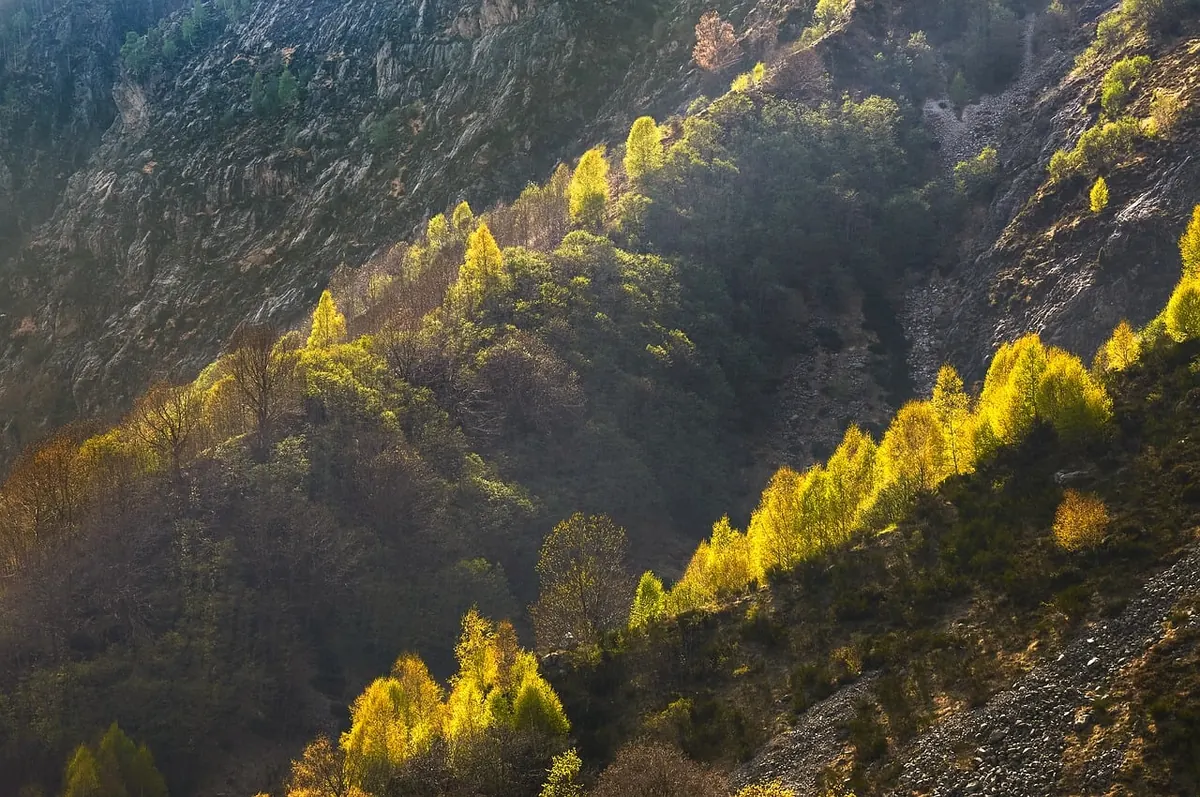
Photo: ValterM / Pixabay
Related Articles